22 Aug 2026
Biometric Sensors Transform Payout Structures in Elite Sports Betting
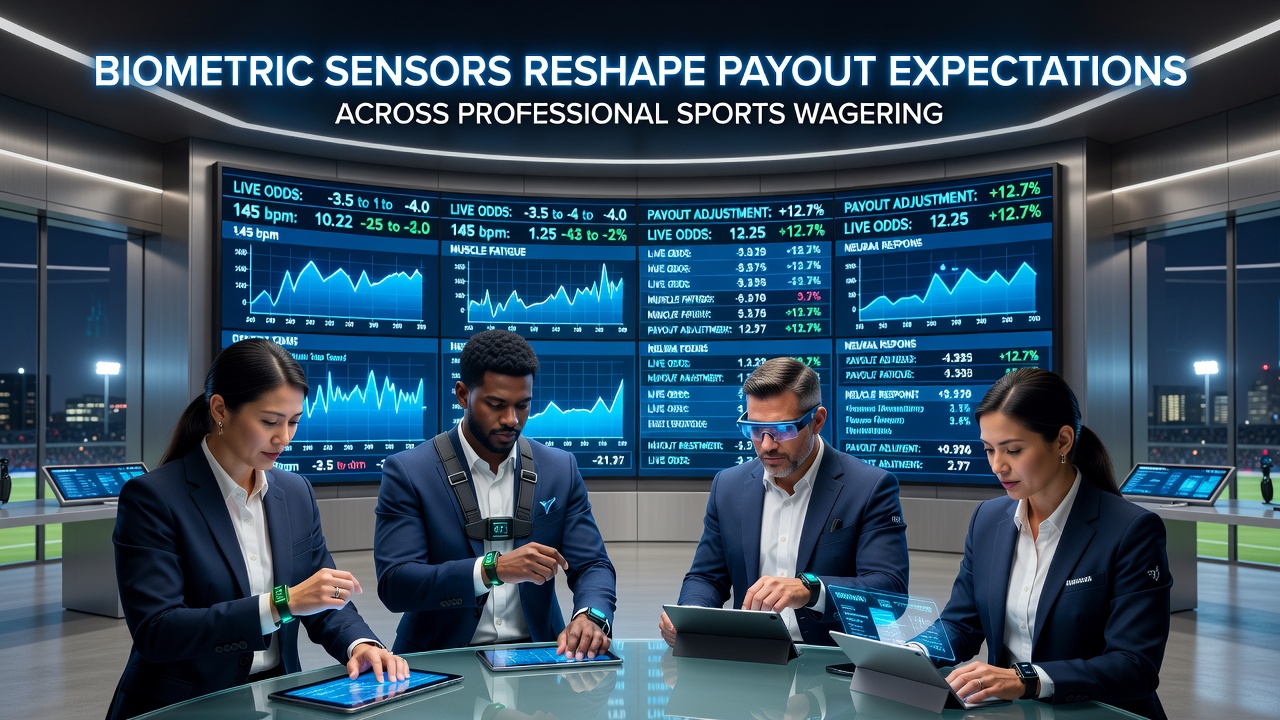
Biometric sensors have entered professional sports wagering through devices that track heart rate, muscle oxygen saturation, and movement patterns, allowing betting operators to recalibrate expected payouts based on real-time physiological readings from athletes. These tools collect continuous streams of information during matches and events, feeding into algorithms that update probabilities for outcomes such as points scored, distance covered, or injury risk. Data from wearable technology in leagues across multiple continents shows integration with betting platforms accelerating since early 2025, with August 2026 marking expanded adoption in several major tournaments.
Real-Time Data Integration Changes Market Calculations
Operators now receive feeds from sensors embedded in jerseys or attached directly to players, which measure variables like hydration levels and recovery rates between plays. When these metrics deviate from established baselines, models adjust payout structures for live wagers accordingly, such as shortening odds on a favored team when key performers show elevated fatigue indicators. Researchers at institutions including the University of Melbourne have documented how such inputs reduce variance in certain prop bets while expanding opportunities in others tied to endurance metrics. And because the information arrives continuously rather than through periodic reports, markets reflect conditions that traditional scouting overlooked in earlier eras.
League-Specific Applications Across Regions
In basketball and rugby competitions held in North America and Oceania, sensor data has influenced totals markets by revealing average sprint distances that fall below historical norms during high-temperature periods. European football matches have seen similar patterns where heart rate recovery times after substitutions alter expected goal tallies within the final thirty minutes. Observers note that these adjustments occur without disrupting overall participation rates, as regulatory bodies in Australia and Canada require disclosure of data sources used for line movements. Figures released in mid-2026 indicate that sportsbooks processing international traffic reported higher volumes in micro-markets connected to biometric thresholds compared with the same period the previous year.
Impact on Player Props and Live Betting Lines
Prop bets on individual statistics now incorporate sensor-derived thresholds, such as total distance run or maximum acceleration bursts, which shift payout ratios as matches progress. One documented case involved a tennis tournament where grip strength readings from racket sensors prompted immediate changes to over/under lines on ace counts after the first set. Those who have examined transaction records from platforms operating under Nevada and New Jersey oversight report that bettors increasingly place wagers in response to displayed biometric summaries rather than static pre-match statistics alone. Yet the core payout formulas remain anchored in historical datasets, with sensor inputs serving as modifiers rather than replacements for established statistical models.
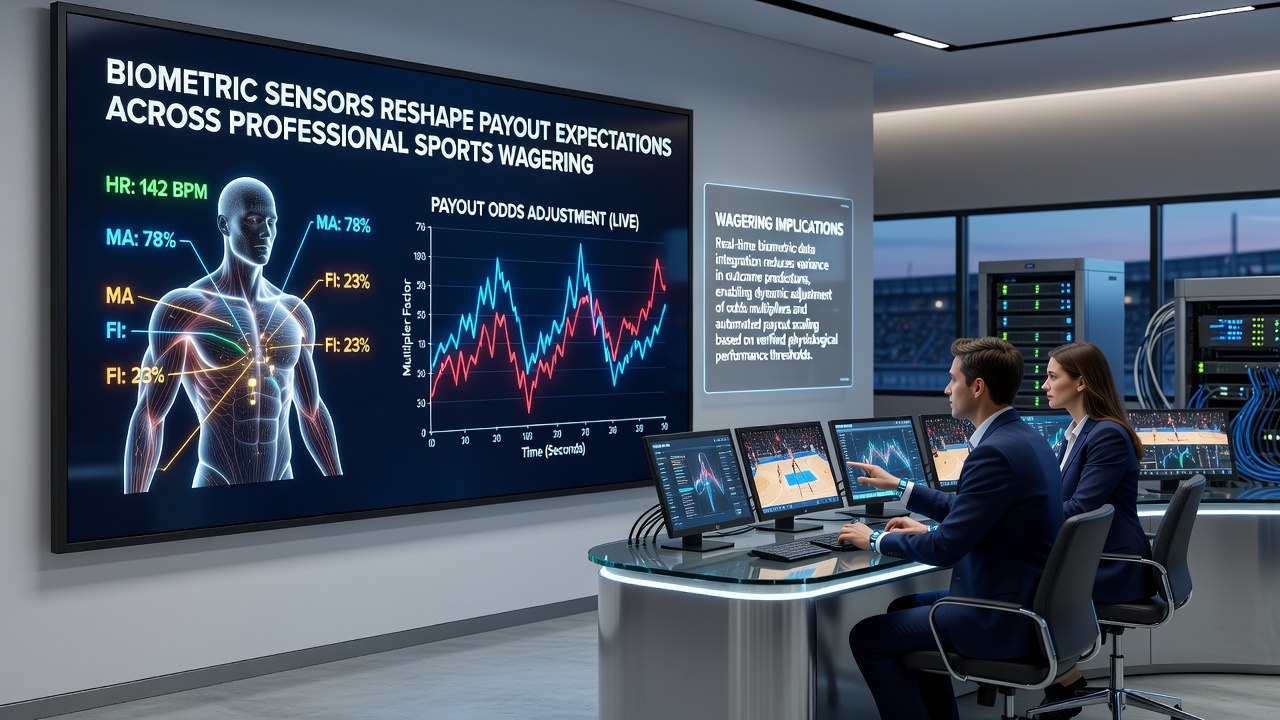
Industry reports from the American Gaming Association highlight how partnerships between device manufacturers and data providers have standardized transmission protocols, allowing seamless incorporation across different sports. This standardization reduces latency between sensor capture and odds updates to under five seconds in many systems, which supports rapid market responses during critical game phases. What's notable is the geographic spread, with similar frameworks appearing in Asian and South American competitions by August 2026.
Regulatory and Technical Considerations
Governing bodies in multiple jurisdictions require verification that biometric information does not introduce unfair advantages to any market participant, leading to audit requirements for both sensor calibration and algorithm transparency. Studies published through academic channels demonstrate that when properly implemented, these systems maintain statistical integrity while offering bettors additional context for decision-making. Data from Canadian provincial regulators shows steady growth in the number of events offering biometric-enhanced lines without corresponding increases in dispute filings. And although implementation costs remain significant for smaller operators, larger platforms have absorbed the infrastructure investments through existing technology budgets.
Future Trajectories Based on Current Trends
Expansion into additional sports such as cricket and golf appears likely as sensor miniaturization continues, with pilot programs already testing integration in training environments that could extend to competitive settings. Academic analyses from European research centers project that by late 2027, over half of major professional leagues may include some form of biometric data in their official statistical packages used by betting partners. Those monitoring these developments point to improved injury prediction models as a secondary benefit that indirectly stabilizes certain payout categories by reducing unexpected absences. The pattern suggests gradual rather than abrupt shifts in how expected returns are calculated across wagering products.
Conclusion
Biometric sensors continue to supply detailed physiological information that betting operators apply when refining payout expectations in professional sports. Integration across regions and sports has produced measurable changes in market responsiveness while operating within established regulatory frameworks. Records from 2026 indicate sustained adoption without major disruptions to participation or compliance metrics, pointing to an ongoing evolution in how performance data shapes wagering outcomes.