31 Aug 2026
Brent Campaign Spurs End of UK 'Aim to Permit' Gambling Policy in August 2026

Politicians in Brent, north-west London, have long highlighted the dense clustering of betting shops and slot arcades along local high streets, and their sustained efforts played a direct role in the UK government's decision to scrap the “aim to permit” policy earlier in August 2026. Brent ranks second among London boroughs for the number of gambling premises, a position that has drawn repeated attention from council members who point to patterns of poverty and addiction in affected neighborhoods. Those same representatives coordinated with national figures to press for regulatory change, and the policy reversal arrived amid a wider set of industry pressures that include falling numbers of retail betting shops and noticeable shifts in political priorities.
Background on Gambling Concentration in Brent
Local data compiled over recent years shows Brent maintains one of the highest densities of betting outlets per square mile in the capital, a situation that stems from licensing decisions made during the expansion of the 2010s. Council records indicate dozens of premises operate within short stretches of road, often near schools, community centers, and transport hubs. Residents and elected officials have documented footfall patterns that correlate with increased foot traffic at payday and benefit payment times, while studies referenced by the borough link proximity to gambling sites with elevated rates of problem gambling reports. The concentration has persisted even as overall retail betting shop counts across the UK have declined steadily since their 2012 peak, according to figures tracked by the Gambling Commission.
The Local Campaign and Its National Reach
Brent councillors began a series of formal submissions and public meetings in 2023 that called for tighter controls on new gambling licenses and greater scrutiny of existing operators. They compiled case studies from ward surgeries where constituents described financial strain tied to slot machine use and sports betting terminals, and they submitted these materials to both the Department for Digital, Culture, Media and Sport and the Gambling Commission. By early 2026 the campaign had gathered cross-party support at Westminster, with several MPs citing Brent as a concrete example of how the previous “aim to permit” framework had allowed unchecked growth in high-street gambling. The framework, introduced after the 2005 Gambling Act, instructed regulators to favor license applications unless clear evidence of harm existed; its removal in August 2026 removes that presumption and returns greater discretion to local authorities.
Policy Shift Details and Timing
Government ministers announced the policy change on 12 August 2026, stating that the “aim to permit” approach no longer aligned with updated evidence on gambling-related harm. The announcement followed months of consultation responses that included submissions from Brent Council and allied boroughs. Under the new stance, licensing decisions will weigh cumulative impact on local communities more heavily, and operators seeking additional premises must demonstrate absence of harm rather than relying on the prior default in their favor. Observers note that the timing coincided with a period of reduced betting shop viability, as footfall data from retail analysts shows year-on-year drops driven by online migration and cost pressures.
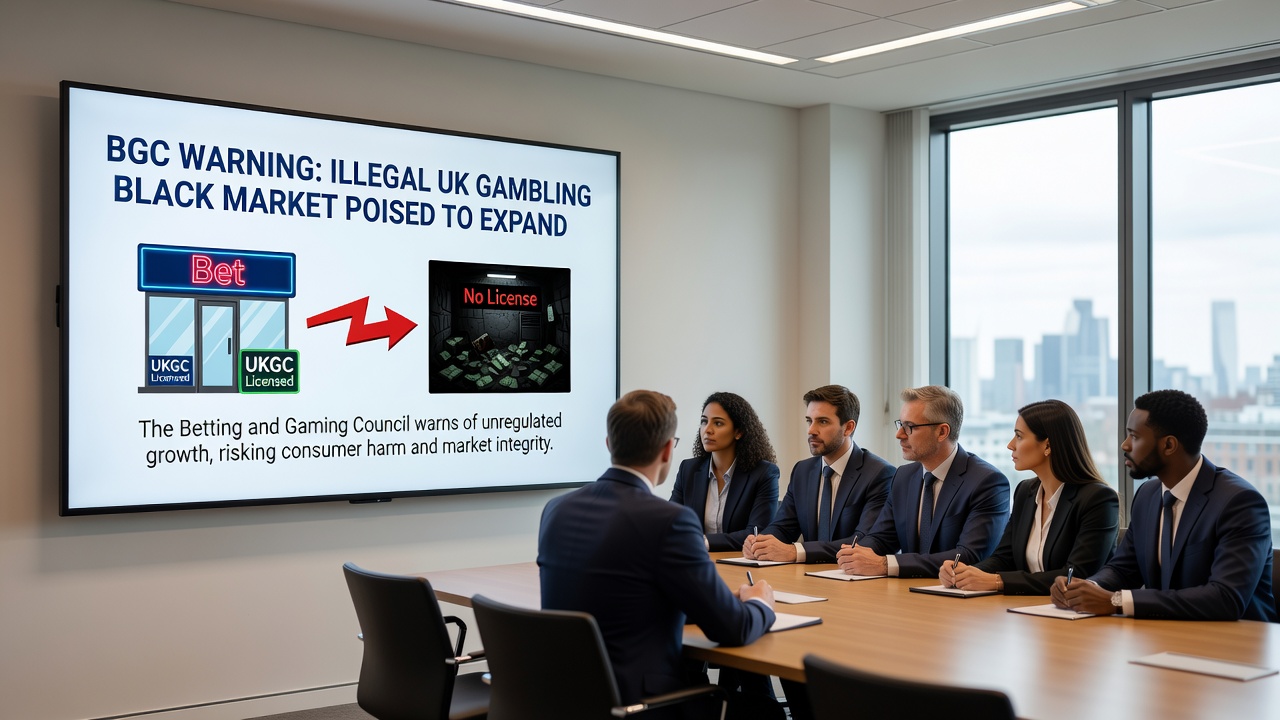
Brent's experience illustrates how localized pressure can influence national rules when multiple boroughs face similar conditions. Council leaders coordinated evidence gathering with neighboring authorities that also rank high in gambling premises density, and they presented joint statistics showing correlations between premises numbers and indices of multiple deprivation. The resulting policy adjustment does not ban new shops outright but shifts the burden of proof during licensing hearings, a change that local campaigners have welcomed as a practical tool for managing future applications.
Industry Context and Retail Trends
Retail betting operators have reported successive quarters of store closures since 2019, with total UK shop numbers falling below 7,000 for the first time in over a decade according to industry tallies. This contraction has occurred alongside rising participation in online channels, yet high-street premises remain concentrated in certain urban pockets. Brent's second-place ranking among London boroughs reflects this uneven distribution rather than overall market growth. Political sentiment has also evolved, with parliamentary debates in 2025 and 2026 increasingly referencing public health data on gambling harms that were less prominent during earlier licensing rounds. The August 2026 decision therefore sits within a broader recalibration that includes both economic realities for operators and revised regulatory priorities.
Reactions from Stakeholders
Brent Council issued a statement confirming that its long-standing submissions contributed to the policy review, while representatives from the Betting and Gaming Council noted that many existing shops continue to operate under strict codes of conduct and that further closures would affect employment in retail locations. Community groups in the borough organized public meetings in the weeks following the announcement to discuss how the new licensing approach might affect future planning applications. Data from the Gambling Commission continues to serve as the central reference point for measuring premises numbers and participation trends, with updated statistics available through its statistics and research section.
Conclusion
The sequence of events in Brent demonstrates how sustained local advocacy, backed by borough-level data on premises density and associated social indicators, aligned with national policy reconsideration in August 2026. The removal of the “aim to permit” presumption alters the framework under which future licensing decisions will be made, while the wider retail betting sector faces ongoing structural adjustments. Observers will track whether similar campaigns emerge in other high-density boroughs and how the revised approach shapes the distribution of gambling premises in the years ahead.