14 Sep 2026
Premier League Sponsorship Shifts Highlight Growing Exposure to Unlicensed Gambling Deals

Ten out of the Premier League’s twenty clubs now maintain sponsorship or advertising ties with gambling operators that lack UK licensing, a figure that rose from six earlier in the summer and leaves club revenues vulnerable to a government ban slated for the following year.
Current Sponsorship Landscape
Data from September 2026 shows half the league engaged with unlicensed firms through various commercial arrangements, and this expansion coincides with the league’s own voluntary measure that bars gambling companies from serving as front-of-shirt sponsors for the current season. The shift places renewed focus on secondary placements such as sleeve logos, stadium advertising, and digital partnerships that still generate income but fall outside the voluntary front-of-shirt restriction.
Observers note that clubs have diversified these relationships quickly over recent months, often turning to operators based outside British regulatory oversight because those entities continue to offer competitive terms while the domestic market faces tighter scrutiny. The pattern reveals a clear increase in such deals during the off-season window, when clubs finalize commercial agreements ahead of the new campaign.
Government Consultation and Timeline
An eight-week consultation period examining proposals to prohibit sponsorships involving unlicensed gambling companies closed recently, and the process sets the stage for legislation expected next year. Officials gathered input from clubs, operators, and other stakeholders throughout the summer, and the outcome will determine whether existing arrangements can continue or must be unwound. The timeline places direct pressure on clubs that have already committed to multi-year contracts with offshore partners.
Industry Stakeholder Positions
Licensed operators including Ladbrokes and William Hill have expressed concern that any outright ban on unlicensed sponsorships could redirect revenue streams away from established British firms and toward the growing unregulated sector. These companies argue that the league’s voluntary front-of-shirt restriction already limits their visibility, and further rules targeting unlicensed entities might accelerate the movement of funds offshore rather than reducing overall gambling advertising exposure.
Club finance teams, meanwhile, face the task of modeling potential revenue shortfalls once the proposed ban takes effect. Because many of the new deals involve performance bonuses or volume-based payments, the full financial impact remains difficult to quantify until official guidance clarifies which arrangements will be grandfathered or terminated. The situation creates a period of uncertainty for clubs that expanded these partnerships over the summer.
Market Dynamics and Revenue Flows
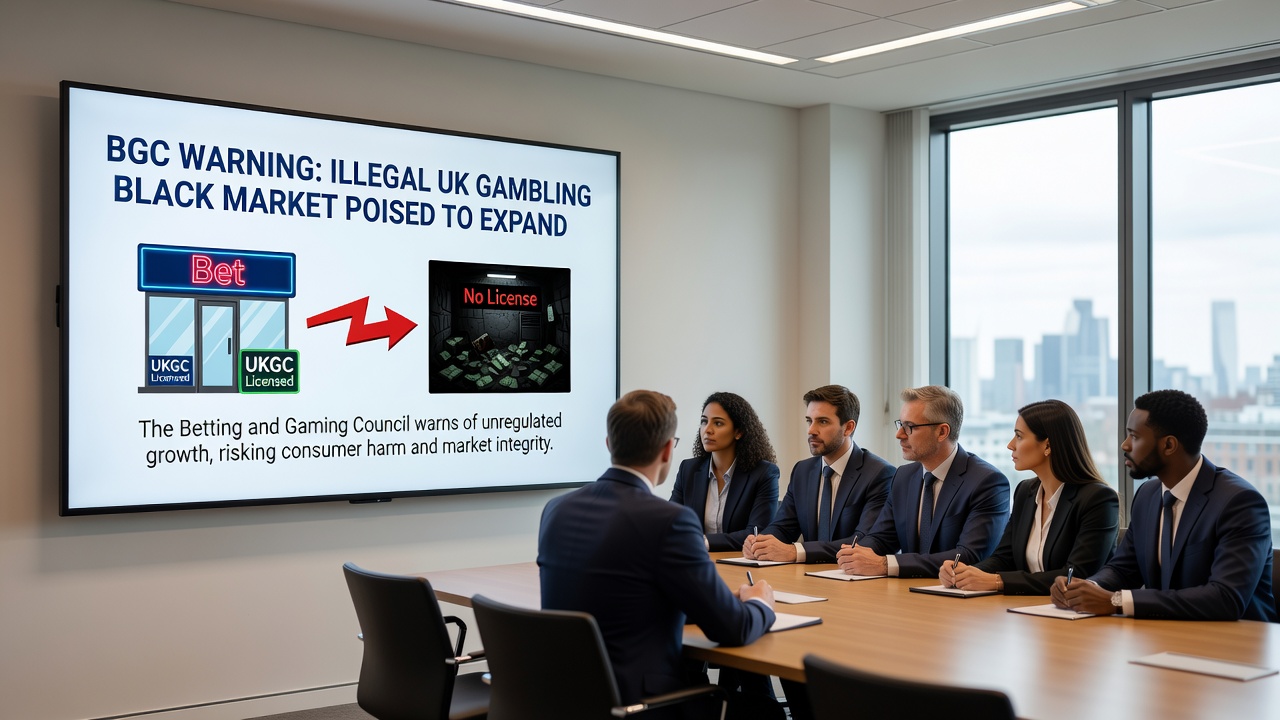
Britain’s unregulated betting market has expanded in recent periods, and that growth provides offshore operators with resources to pursue sponsorship opportunities that licensed firms may no longer pursue under tighter domestic rules. The result is a competitive environment where clubs can secure funding from entities operating beyond the reach of the UK Gambling Commission, yet the same funding source becomes a liability if legislation passes as outlined in the recent consultation.
Revenue exposure varies by club size and existing commercial portfolio. Larger organizations with broader global fan bases often attract higher-value deals, while smaller clubs may rely more heavily on any single sponsorship stream. In both cases, the move from six to ten clubs holding unlicensed relationships over just a few months illustrates how quickly the landscape can change when regulatory signals remain fluid.
Operational Adjustments Underway
Clubs have begun reviewing contract language to include clauses that address potential regulatory changes, and several have started preliminary conversations with alternative commercial partners in anticipation of restrictions. These steps occur alongside the league’s existing voluntary ban on front-of-shirt placements, which already required some teams to restructure kit deals before the season began.
The combination of voluntary and proposed statutory measures creates a two-tier system in which front-of-shirt visibility disappears immediately while other advertising channels remain open until new law takes effect. This staggered approach gives clubs a short window to explore non-gambling sponsors or shift existing arrangements into compliant categories, yet the deadline for full compliance remains tied to legislation still under development.
Conclusion
The increase to ten clubs with unlicensed gambling relationships, the league’s voluntary front-of-shirt restriction, and the closed consultation on future prohibitions together define the current sponsorship environment. Licensed operators continue to monitor developments that could affect their market position, while clubs assess how best to protect revenue streams that have grown more dependent on offshore partners in recent months. The outcome of next year’s expected legislation will determine whether these arrangements persist or require further restructuring across the Premier League.