13 Aug 2026
UK High Street Betting Shops See Further Closures Following Recent Budget Changes
 The Betting and Gaming Council has released figures showing more than 540 high-street betting shops closed across the UK since the previous Budget, with around 4,500 jobs disappearing in the same period. These losses stem directly from increased taxes and operating costs affecting the regulated betting sector, and the pattern continues a longer decline that began in 2019. Data compiled by the organisation reveals that roughly 3,000 shops have shut since that earlier point, removing approximately 15,000 positions from local economies. The most recent wave of closures builds on those earlier reductions, leaving fewer outlets operating in town centres and high streets nationwide.
Scale of Recent Job and Shop Losses
Since the Budget measures took effect, the regulated sector recorded the closure of over 540 premises and the corresponding loss of 4,500 roles. Those figures cover a single year and reflect immediate pressures from higher taxation alongside rising day-to-day expenses. Industry observers note that many of the affected locations were smaller branches that had already operated on tight margins for several years.
The remaining network now supports about 37,500 positions. These outlets continue to serve communities while contributing £6.8 billion in gross value added to the wider economy and delivering over £4 billion in annual tax revenues to the Exchequer. The contribution remains substantial even after the documented reductions in physical locations.
Longer-Term Trends Since 2019
Between 2019 and the current period the sector has experienced cumulative losses of around 3,000 shops and 15,000 jobs. This extended contraction predates the most recent Budget announcements yet shares similar drivers, including successive increases in regulatory and tax burdens. Observers tracking the pattern point out that each round of higher costs has coincided with further rationalisation of the high-street presence.
During August 2026 the cumulative impact of these changes remains visible in many towns, where former betting shop sites now stand empty or have been converted to other uses. The ongoing reduction affects footfall in surrounding retail areas, since betting outlets historically drew regular visitors who also supported neighbouring businesses.
Industry Warnings on Future Tax Measures
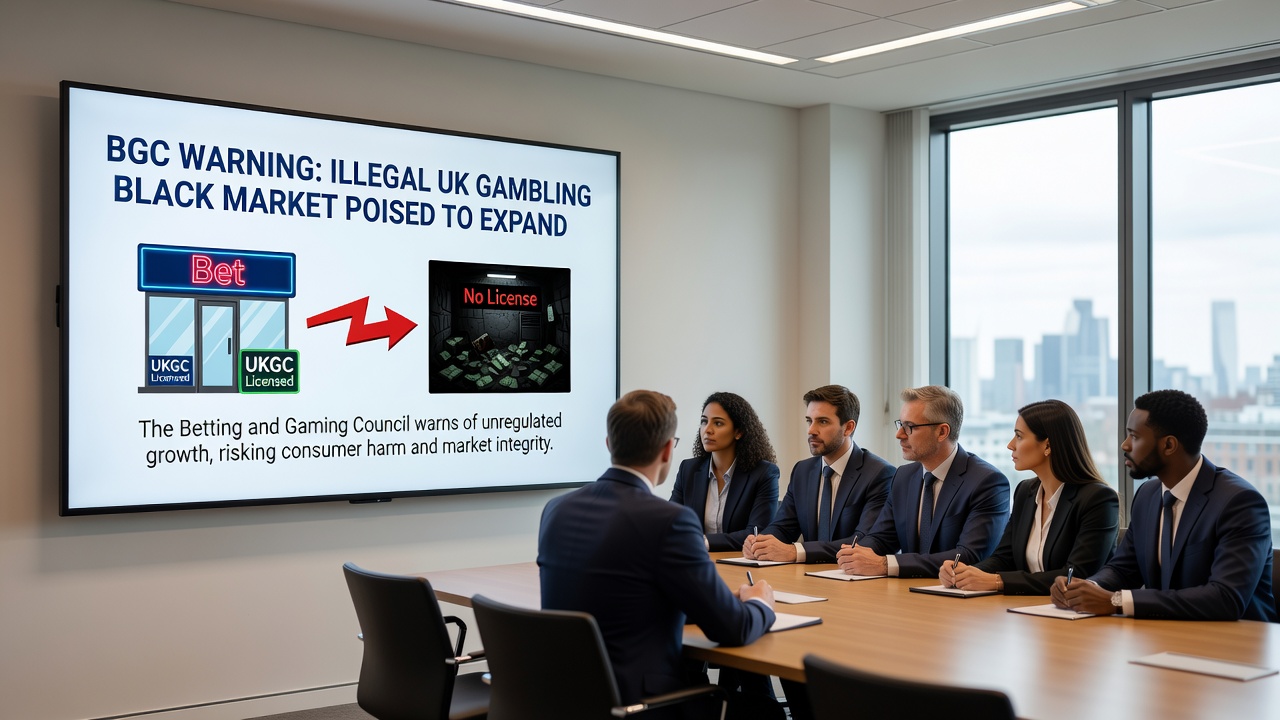
Representatives from the sector have stated that additional tax increases, including any new levies on online sports betting, would accelerate shop closures, reduce future investment, and further weaken high-street activity. They also warn that such measures could expand the illegal market as some customers shift to unregulated operators. The Betting and Gaming Council has emphasised that the regulated industry already channels significant revenue into public finances, and further pressure may undermine that position.
According to industry statements, the combination of physical closures and potential online restrictions risks concentrating activity outside the taxed and supervised framework. Data from the same source shows the sector's existing tax contribution exceeds £4 billion each year, a sum that could decline if closures continue at the recent pace.
Economic Role of Remaining Outlets
The surviving 37,500 jobs and the £6.8 billion gross value added figure illustrate the scale of the regulated betting sector's current footprint. These outlets operate under strict licensing conditions and provide a visible presence on many high streets. Their tax payments form part of the broader £4 billion annual contribution that supports public services. Any further contraction would reduce both employment and fiscal returns in a measurable way.
Research from economic monitoring bodies indicates that high-street betting shops form part of a wider leisure and retail ecosystem. When multiple shops close in one area, the loss of regular footfall can influence nearby cafes, newsagents and transport links. The documented job losses since 2019 therefore carry secondary effects beyond the immediate workforce.
Conclusion
The Betting and Gaming Council figures present a clear record of shop closures and employment reductions since the last Budget, set against a longer decline dating back to 2019. The remaining network continues to deliver substantial economic value and tax revenue. Industry representatives have outlined the potential consequences of further tax rises, including accelerated closures and growth in unregulated activity. These developments continue to shape the regulated betting sector's presence on UK high streets into August 2026 and beyond.